New framework highlights research and innovation skills needed to advance net zero careers

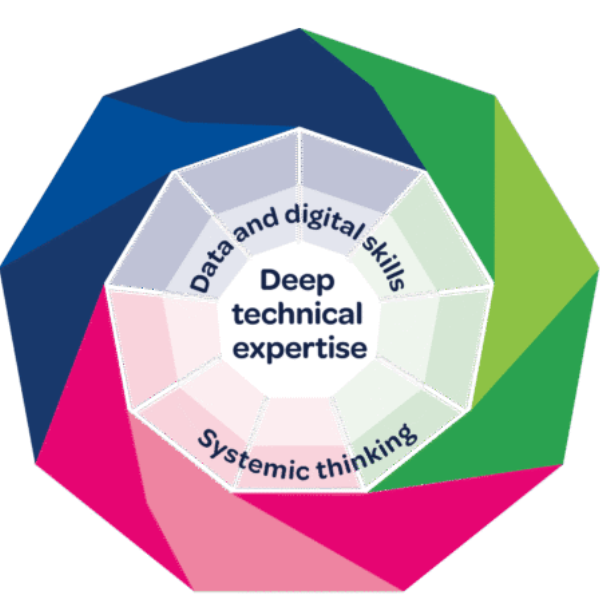
A new framework developed by C-DICE is helping postdoctoral researchers identify the high-level transferable skills essential for driving innovation and supporting net zero initiatives across sectors.
Progress towards net zero demands a highly skilled workforce – combining deep technical expertise with broader sectoral knowledge, and the ability to lead, communicate, collaborate and influence change across large, complex and evolving ecosystems.
While postdoctoral researchers often possess many of these capabilities, their skills can be undervalued or difficult to express in ways that resonate with employers. The C-DICE framework bridges this gap by outlining the key competencies needed to support sustainability and innovation.
“This resource opens up new possibilities for researchers to connect their expertise with real-world impact,” said Sharon Henson, Director of C-DICE. “We’ve made it open access so that researchers in net-zero related and adjacent fields, researcher developers and institutions, as well as employers, can use it to support career development and accelerate progress toward net zero.”
Developed through consultation with UK researchers and research development professionals between 2021 and 2023 – including focus groups, interviews, and workshops – the framework reflects direct input from industry on the skills researchers should cultivate to support net zero goals.
The full framework is available to view online or download as an accessible PDF, along with example researcher profiles to help researchers explore how their expertise can contribute to sustainability.
A heartfelt thank you to researchers and research development professionals whose valuable contributions have helped shape the framework.
Webinar for researchers
27 August 14:00 – 15:00
Be among the first to explore the framework in a guided, interactive session
In just one hour, you will gain practical tools for career planning, reflect on your own skillset, and learn how to align your research experience with employer needs in the sustainability sector.