From postdoc uncertainty to industry impact: My FutureProof journey


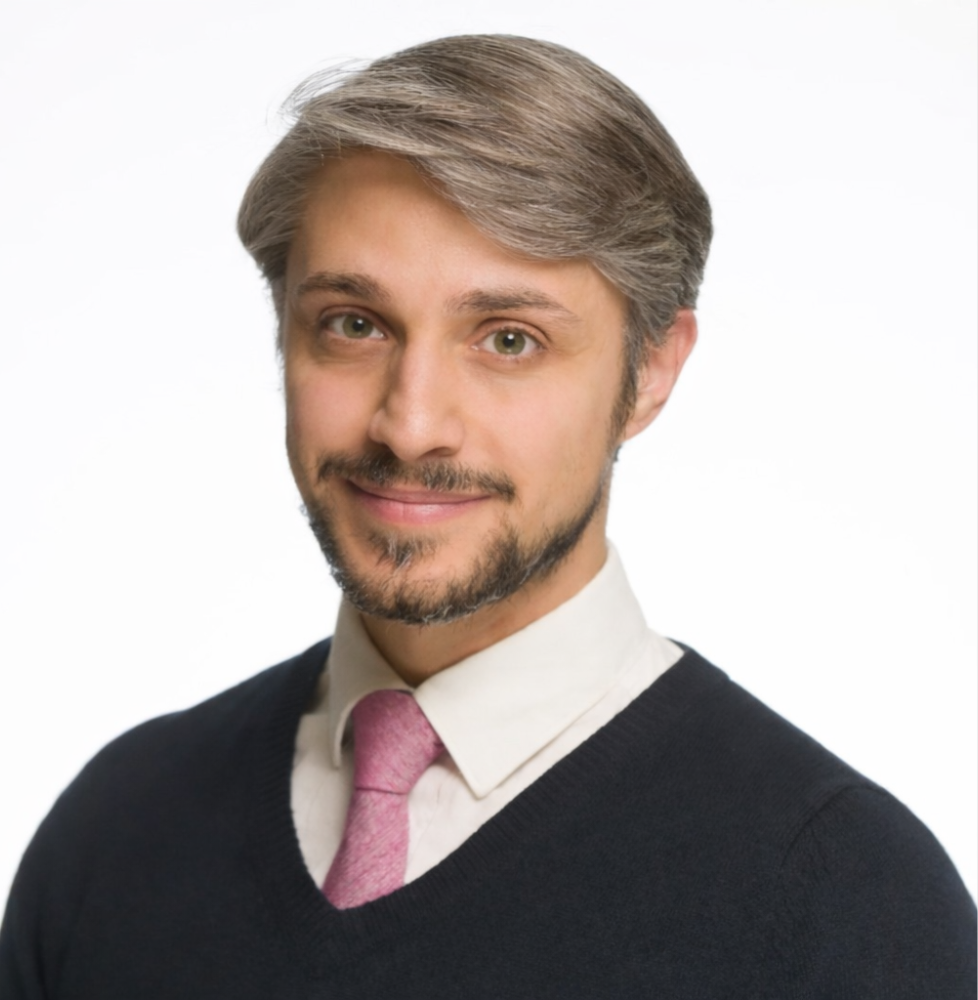
In 2024, Dr Mohammad Khalili, who completed his PhD in the 3D printing of biopolymers at Cranfield University, took part in the C‑DICE FutureProof Programme led by Dr Naomi Tyrrell.
This 10-week postdoctoral‑focused series brought together early‑career researchers to translate academic expertise for industry, navigate recruitment processes, and build targeted networks.
In this blog Mohammad reflects on how the experience supported his move into a role at WMG (Warwick Manufacturing Group) and the launch of CriticalMat Supply Ltd, focused on traceable and sustainable supply chains for critical raw materials.
With thanks to Mohammad for writing this blog.
You can feel lost as a postdoc, when you’re always on the move and at the mercy of short‑term contracts, changing research policy priorities and funding competition. Where do you really belong? Cutbacks in universities have meant that bagging a tenured university job isn’t now the most realistic option.
PhD and early postdoc
I finished my PhD in the 3D printing of biopolymers at Cranfield University at the end of 2023. I worked as a postdoc on an Innovate UK project focused on a feasibility study of next generation lithium and rare earth‑free batteries, but the change of UK government meant the end of that funding.
Competitive bids and looking to industry
Research bids were getting more competitive. One opportunity, I remember, attracted 2,000 applications for 40 places. So, I started looking for R&D roles in industry: I’d invested five years or more of my life in my research specialism and building up a portfolio of R&D skills. But this was also my difficulty, and the problem for academic researchers in general, we are often limited when we start thinking about careers beyond academia.
I was ruling out jobs in industry because they didn’t sound like me. Or, if the role did link to my research specialisms, I’d be put off by the list of skills requirements, like project management experience.
Joining the FutureProof Programme
Joining the FutureProof Programme changed things. The workshops involved a weekly two‑hour meetings for 10 weeks. They were led by someone who has personal experience of making the leap from academia into industry: Naomi Tyrrell encouraged us to become far more aware of our knowledge, skills and experience, and how we can apply them to different sectors and roles.
Mapping and translating skills
We started by mapping our academic skills using Vitae’s updated Researcher Development Framework, then translating them into what they actually mean in industry language, for example demonstrating how we have a whole range of project management experience, are used to running research teams, and collaborating with industry partners. We looked at exactly how those skills could be transferable for a range of sectors, including charities and NGOs, governance and policy, consultancy, industry, and entrepreneurship.
Getting past AI/ATS screening
We also learned how to avoid being sifted out by AI and ATS‑driven screening processes before reaching the interview stage. Two private platform AI tools that were embedded into the FutureProof Programme really helped us with this. The Jobs Decoder AI app translates job adverts and role descriptions in a way that highlights their relevance to academic researchers, setting out exactly how they fit us and why. The Academic CV Translator app let us upload our CVs and job application material and get advice on how our skills fit and, critically, what language and specific words should be used to align with the interests of different employers.
Cohort community and shared momentum
When it comes to careers, the gap between postdoc researchers and industry is often one of language, not skills. And that means the great potential of postdocs in contributing to innovation in organisations, particularly in areas like sustainability and delivering the transition to net zero, is being lost in translation. Being part of a FutureProof cohort and community meant we were able to share our experiences, frustrations and ideas among ourselves, and it has been a great source of support and motivation. We’re in touch all the time and it’s created a shared feeling of energy and impetus.
Results: securing a role at WMG
My first job application led to an offer from WMG (Warwick Manufacturing Group) before the FutureProof Programme had finished! It’s a four‑day a week Process Technician role, testing and developing new battery materials as part of WMG’s partnership with CPI to deliver and operate the Advanced Materials Battery Industrialisation Centre (AMBIC).
I gained the confidence to present my skills and knowledge in experimental design, process optimisation, data analysis and troubleshooting in industry‑applicable language through the FutureProof Programme and this made an immediate difference to my success in the job market!
Starting CriticalMat Supply Ltd
At the same time, I founded CriticalMat Supply Ltd, building on networks developed through LinkedIn and in-person industry events. The FutureProof Programme made me realise I needed to raise my profile and strategically expand my network beyond academia. Through targeted conversations with key stakeholders, I clarified both the need for traceable and sustainable supply chains for critical raw materials in UK industry and the practical opportunities to address it. I am now participating as a mentee in the Early Careers Battery Industry Mentoring Programme, funded by Innovate UK Business Connect and delivered in collaboration with STEMAZING, where I am assessing the commercial viability of the business and gaining support to navigate the strategic and operational challenges ahead.
A message to fellow postdocs
Postdoctoral researchers often wait for the “right time” to move their careers forward, seeking validation and trying to feel fully prepared before stepping outside academia. In reality, most have been ready for years. Their skills are urgently needed, because the world’s wicked problems, such as the scarcity of critical raw materials, cannot be solved by commercial expertise alone.
By Dr Mohammad Khalili, founder of CriticalMat Supply Ltd.

The C-DICE framework outlines the high-level transferable skills needed to drive innovation and support net zero initiatives across sectors.
It reflects what we heard directly from employers about the skills researchers should consider developing alongside their core technical expertise.
Whether you are in a net zero field or an adjacent discipline, it can help you articulate your value to employers.