The Lab Awakening: How I finally “Got” EDI (and why it actually matters for my research)

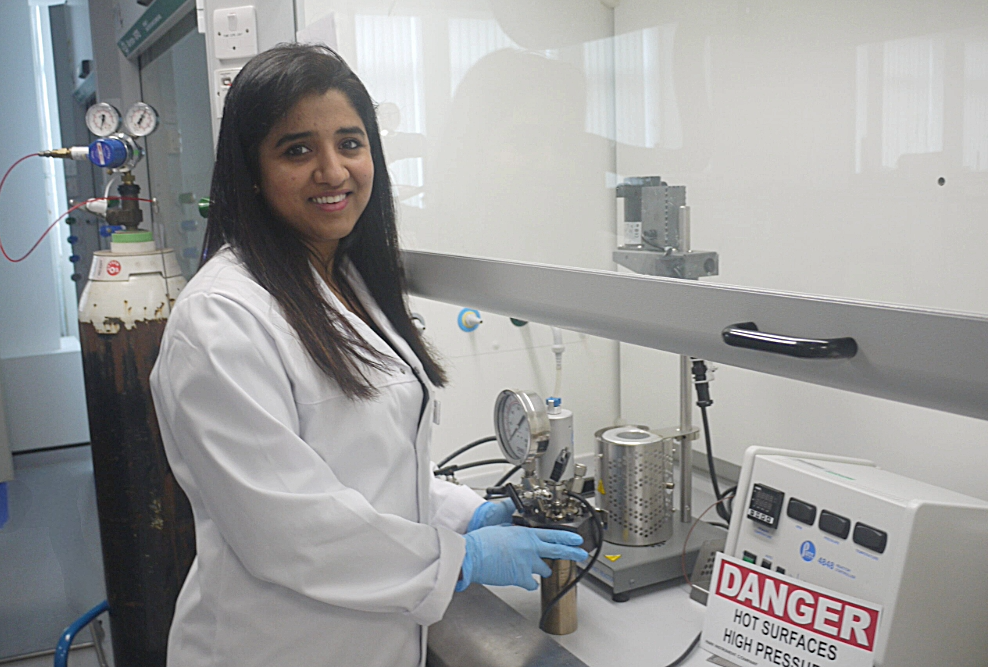
Early career researcher in chemical engineering, Dr Swathi Mukundan
Picture this: You are knee-deep in chemical equations, your lab coat is permanently stained with mystery substances, and someone mentions “equity, diversity, and inclusion.” Your brain immediately switches to autopilot mode- nod politely, attend the mandatory workshop, check the box, move on.
Sound familiar? That was me for years.
As a postdoc who lives and breathes experimental design and data analysis, EDI felt like academic small talk, important in theory, irrelevant in practice. Sure, I would sit through the institutional training, but walking back to my lab, I would wonder: “What does any of this have to do with my research on technologies for plastic recycling?”
Then the C-DICE EDI Toolkit happened.
And everything clicked.
The “Aha!” Moment
The toolkit didn’t lecture me about diversity statistics or throw around buzzwords. Instead, it hit me with real scenarios that made me stop mid-pipette and think: “Wait… who exactly am I designing this technology for?”
Suddenly, EDI wasn’t some abstract concept floating around HR departments. It was right there in my research decisions:
- Which communities am I including (or excluding) when I select my samples?
- What cultural assumptions am I baking into my experimental design?
- Who gets to benefit from the technology I am developing?
The plot twist: EDI makes research better
Here is what nobody told me in those sleepy workshops: EDI isn’t about ticking boxes or being politically correct. It’s about doing better science.
When you actively consider whose voices you are missing, your research becomes more robust. When you question your assumptions about accessibility, your innovations become more impactful. When you think beyond your own perspective, you see the blind spots that could sink entire projects.
My research will never be the same
Now I am that person asking the uncomfortable questions:
- “Have we considered how this technology might work differently across various communities?”
- “What barriers might prevent certain groups from accessing our findings?”
- “Are we solving the right problem for the right people?”
And you know what? These questions are making my research stronger, not harder.
Looking ahead
As someone who dreams of leading my own research group someday, this toolkit has completely shifted how I imagine that future. I used to think EDI was something HR worried about while I focused on the “real work.” Now I see it as something I would want to build into my research culture from the ground up, if I am ever lucky enough to get there. And even if that future feels uncertain, I can start practicing these principles now in whatever role I find myself in.
The bottom line
The C-DICE EDI toolkit can help bridge that frustrating gap between knowing EDI matters and knowing what to actually do about it. I went from not knowing how to ‘do’ EDI to realising I had been missing opportunities to do better research all along. I recommend you try the C-DICE EDI Toolkit for yourself. Trust me on this one. Your future research self will thank you.
By Dr Swathi Mukundan